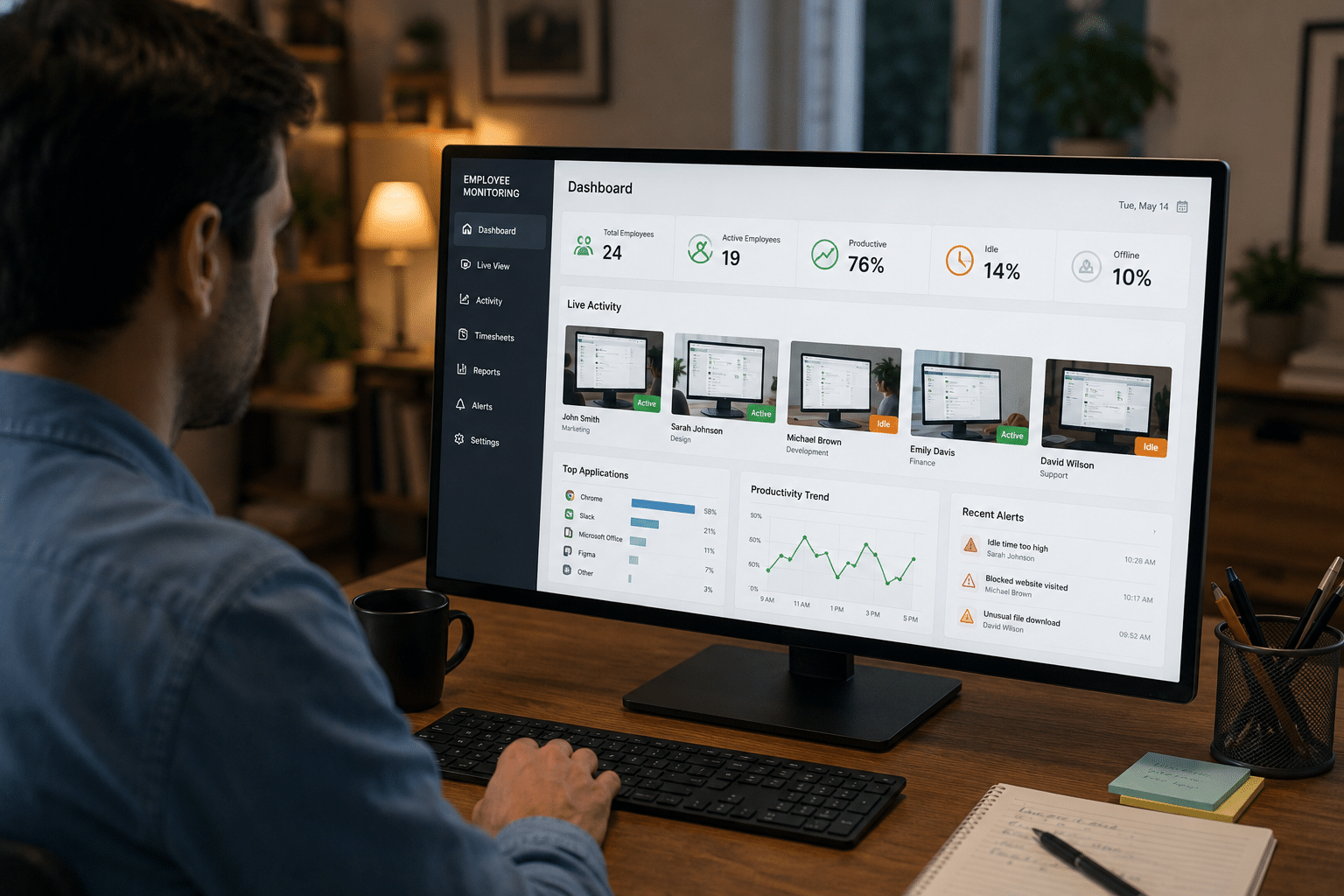
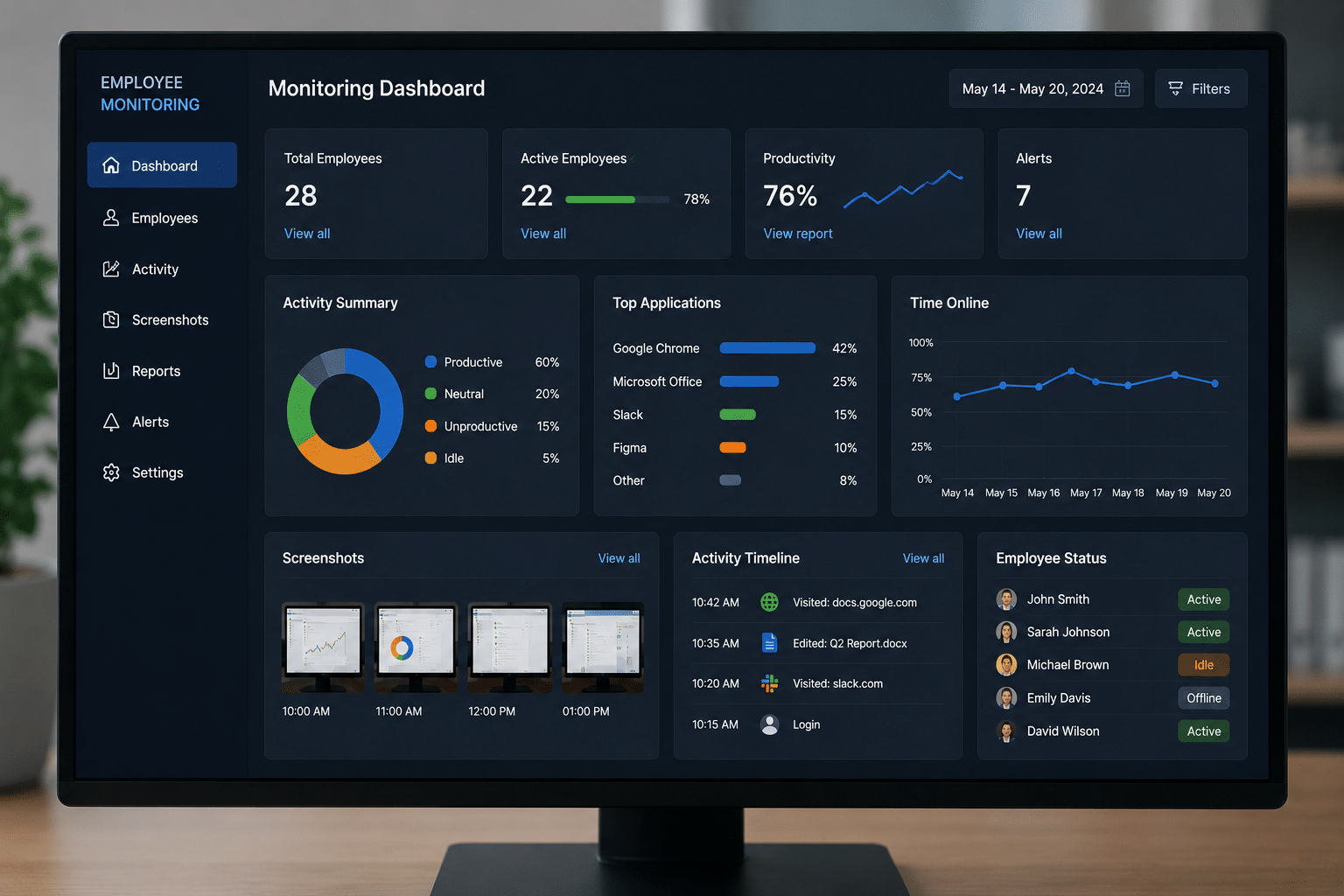
Remote work has changed how businesses operate, communicate, and manage productivity. Many companies now rely on employee monitoring software to track work activity, measure efficiency, and secure company systems. These tools can monitor screen activity, keystrokes, login times, browser history, application usage, screenshots, webcam access, and even employee location data.
While monitoring software may help businesses manage distributed teams, it also creates serious legal and privacy concerns. Employees are becoming more aware of digital surveillance practices, and regulators are paying closer attention to how businesses collect and use workplace data. Improper monitoring practices may expose companies to privacy complaints, employment disputes, regulatory investigations, and lawsuits.
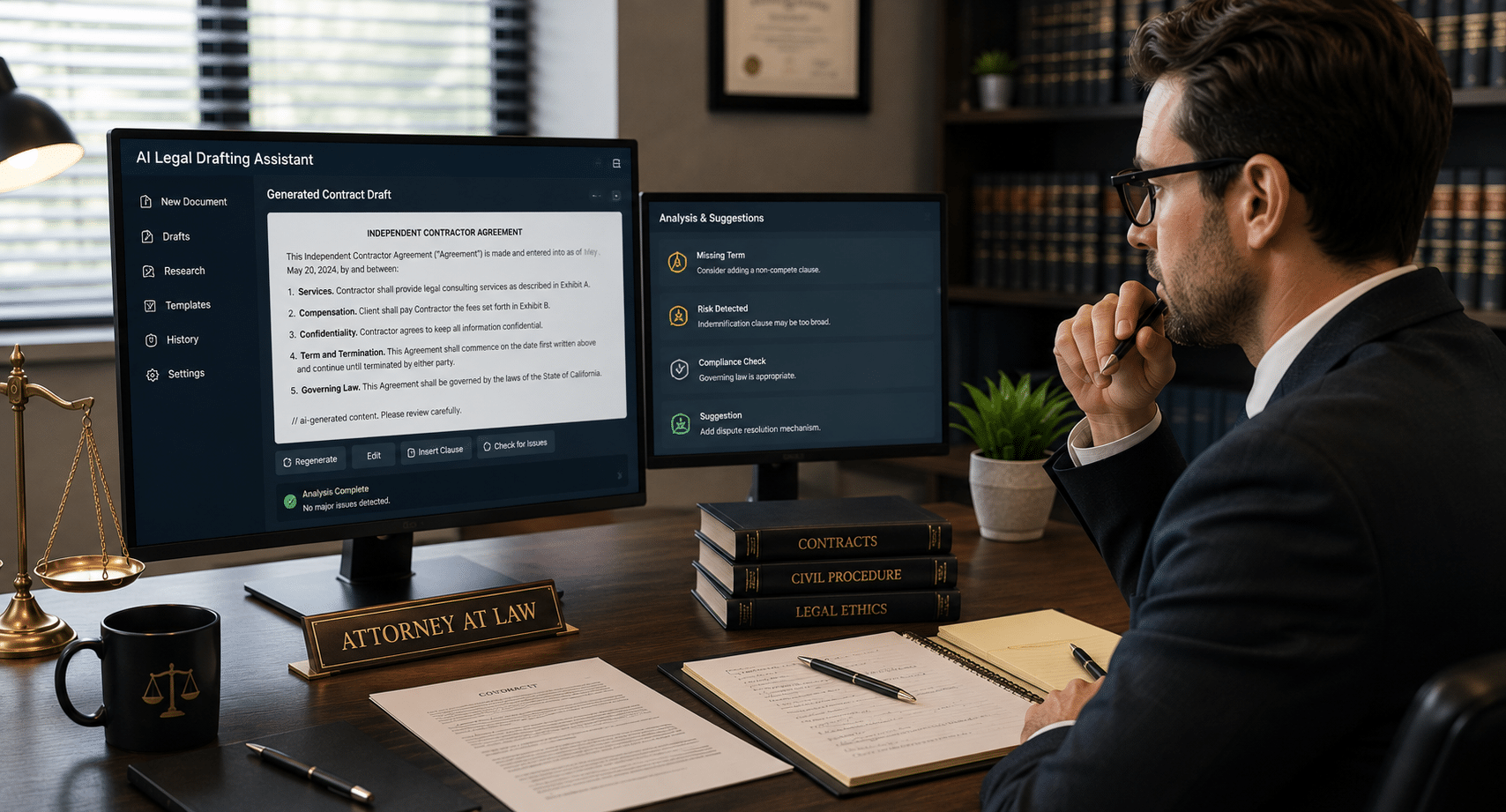
Businesses exploring digital oversight systems should also review how advanced AI risk controls are becoming mandatory in law firms, since AI-powered monitoring tools are increasingly connected to workplace compliance and cybersecurity governance.
What Employee Monitoring Software Tracks
Modern employee monitoring tools can collect large amounts of data. Some software focuses on cybersecurity protection by detecting unauthorized access attempts or suspicious activity. Other systems are designed to measure productivity by tracking time spent on tasks, websites visited, mouse movement, messaging activity, or idle time.
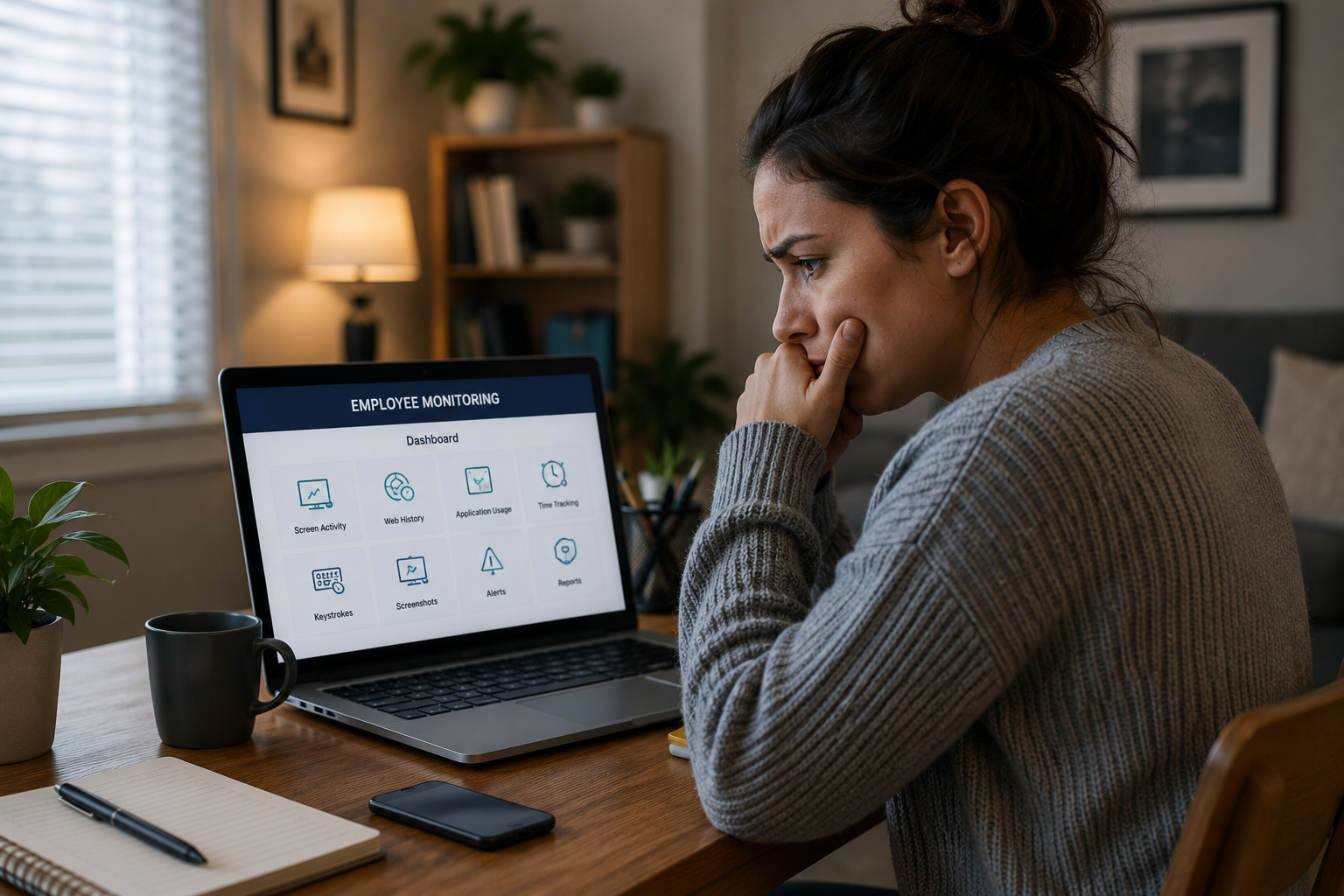
Some companies may not realize how invasive certain monitoring tools appear from an employee perspective. Screenshot capture programs, webcam activation, audio monitoring, and continuous activity tracking may create concerns about privacy rights and workplace boundaries. This becomes especially sensitive in remote work environments where employees work from home.
Businesses that collect excessive employee data without proper policies or notice may create legal exposure under workplace privacy laws, consumer privacy regulations, or employment statutes.
Why Privacy Laws Matter in Remote Workplaces
Several states have introduced or expanded digital privacy protections affecting workplace monitoring. California remains one of the most closely watched jurisdictions because of its stronger consumer privacy framework. Businesses handling employee information should understand how privacy obligations continue evolving under laws connected to employee data protection.
Companies reviewing privacy obligations may also benefit from reading Cybersecurity and Privacy Law: Protecting Your Digital Rights in California, especially when employee monitoring overlaps with broader data collection practices.
International businesses may also face obligations under the General Data Protection Regulation (GDPR), which imposes strict rules on personal data collection and monitoring activities. Employers operating globally often need additional safeguards, transparency measures, and employee consent procedures.
Common Legal Risks Businesses Face
Employee monitoring itself is not automatically illegal. However, problems often arise when businesses fail to disclose monitoring practices clearly or collect more information than necessary. Courts and regulators may examine whether monitoring was reasonable, transparent, proportional, and connected to legitimate business purposes.
Common legal risks include:
- Failure to notify employees about monitoring practices
- Improper recording of private communications
- Excessive collection of personal information
- Weak cybersecurity protections for employee data
- Discrimination concerns tied to monitoring analytics
- Retaliation claims related to surveillance activity
- Violations involving biometric or location tracking laws
Businesses may also face reputational damage if employees believe surveillance practices are excessive or intrusive.
The Connection Between Cybersecurity and Monitoring
Many companies justify monitoring software as part of cybersecurity protection. Monitoring tools may help detect suspicious login attempts, unauthorized downloads, phishing attacks, or insider threats. In industries handling sensitive customer information, businesses often argue these systems support regulatory compliance and data security obligations.
The Cybersecurity and Infrastructure Security Agency provides recommendations businesses can review here: CISA Cybersecurity Best Practices.
However, collecting employee data creates additional responsibilities. Businesses must protect the monitoring data itself from unauthorized access or misuse. If surveillance records are leaked during a breach, employers could face separate legal issues tied to employee privacy exposure.
Why Transparency Matters
Clear workplace policies may reduce misunderstandings and legal disputes. Employees should understand what information is being monitored, why monitoring occurs, how long data is stored, and who can access it. Businesses that secretly monitor workers often face stronger criticism compared to companies that communicate expectations openly.
Policies should explain whether monitoring applies to:
- Company-owned devices
- Personal devices used for work
- Email accounts
- Messaging platforms
- Video conferencing systems
- Internet browsing
- Cloud storage access
- Remote desktop tools
Employers should also review state-specific employment and privacy rules before deploying new systems.
Employee Morale and Workplace Trust
Legal compliance is only one part of the issue. Excessive monitoring may affect workplace culture, employee morale, and retention. Workers who feel constantly watched may experience higher stress levels, reduced trust, or lower job satisfaction. Businesses that balance accountability with reasonable privacy protections often create healthier long-term workplace environments.
Some organizations are moving toward less invasive productivity measurement systems focused on outcomes instead of constant surveillance. Others use cybersecurity-focused monitoring tools without tracking unnecessary personal activity.
Businesses concerned about broader operational legal risks may also want to review Common Legal Mistakes to Avoid, since workplace compliance problems often overlap with larger business management issues.
Best Practices for Businesses Using Monitoring Software
Businesses using employee monitoring systems should consider practical safeguards that may reduce legal exposure:
- Create written monitoring and privacy policies
- Provide notice before monitoring begins
- Limit monitoring to legitimate business purposes
- Avoid unnecessary collection of sensitive information
- Restrict access to collected employee data
- Use strong cybersecurity protections
- Review vendor security standards carefully
- Train managers on appropriate monitoring practices
- Retain data only as long as necessary
- Consult employment and privacy counsel when needed
The Federal Trade Commission also offers business privacy and data security guidance here: FTC Privacy and Security Guidance.
Vendor Risks and Third-Party Monitoring Platforms
Many businesses rely on third-party monitoring providers. These vendors may process large volumes of employee information, making vendor security an important legal consideration. If a monitoring platform experiences a data breach, the employer may still face scrutiny over how employee data was handled.
Before using third-party monitoring software, businesses should review:
- Vendor security practices
- Data storage policies
- Breach notification procedures
- Cross-border data transfers
- Encryption standards
- AI analytics features
- Employee consent tools
The National Institute of Standards and Technology offers cybersecurity resources businesses can review here: NIST Cybersecurity Framework.
Final Thoughts
Employee monitoring software is becoming more common as remote and hybrid work environments continue evolving. While these tools may support productivity management and cybersecurity goals, they also create important legal and privacy considerations businesses cannot ignore.
Companies that collect employee activity data should focus on transparency, reasonable monitoring practices, secure data handling, and compliance with changing workplace privacy laws. Businesses that fail to address these issues carefully may face legal disputes, employee complaints, regulatory scrutiny, and reputational harm.
As workplace technology continues advancing, businesses should regularly review monitoring practices, update policies, and evaluate whether their systems balance operational needs with employee privacy expectations.